★★★★★
“Excellent service, well recommended. Will definitely be using his services again for our cars and vans.”
Chris Kemble · Facebook review
More pull when you're loaded or towing, smoother motorway work, and no chasing peak power numbers.
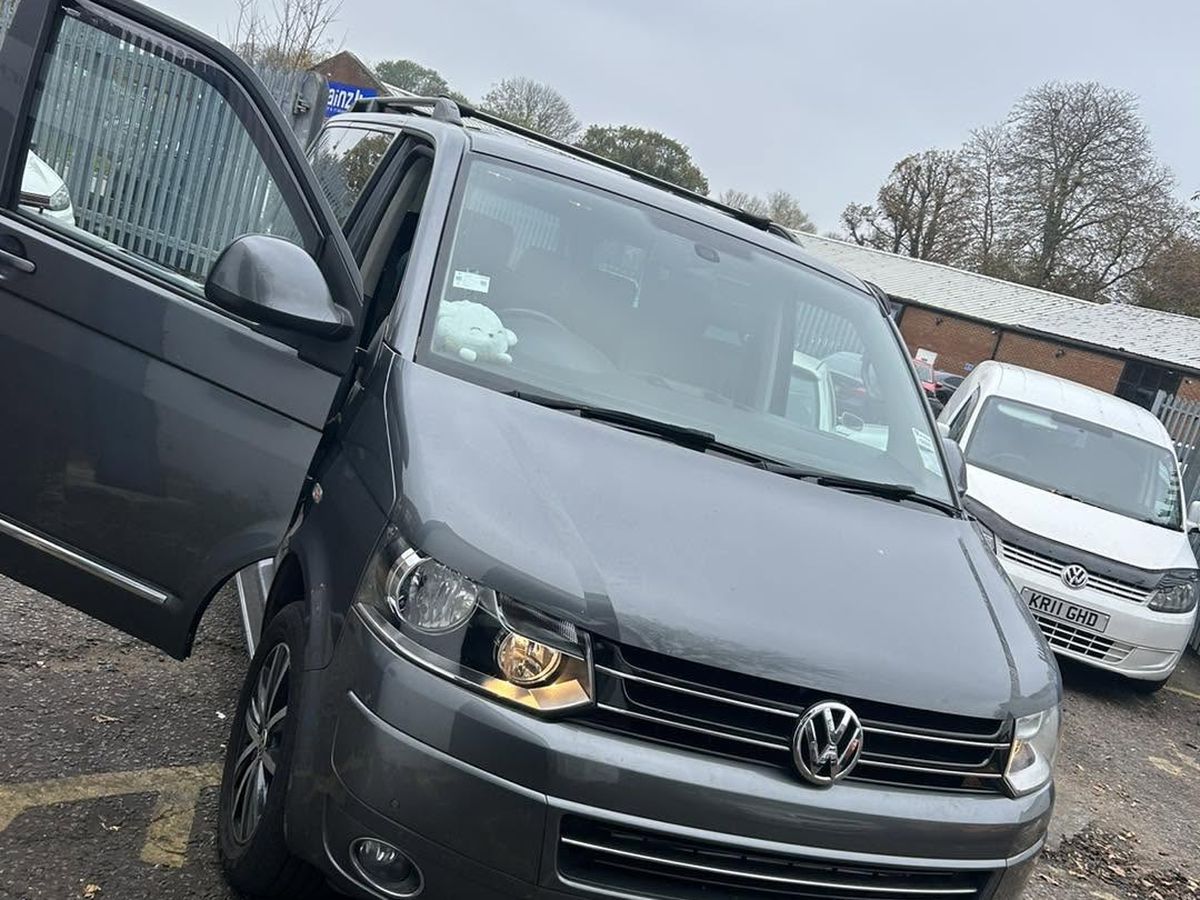
A working van doesn't need a big peak figure. It needs torque low down, so it pulls cleanly from a junction with a full load, holds a gear up a hill with a trailer on, and doesn't have to be thrashed to keep up on the motorway. That's what a van or towing map is written for.
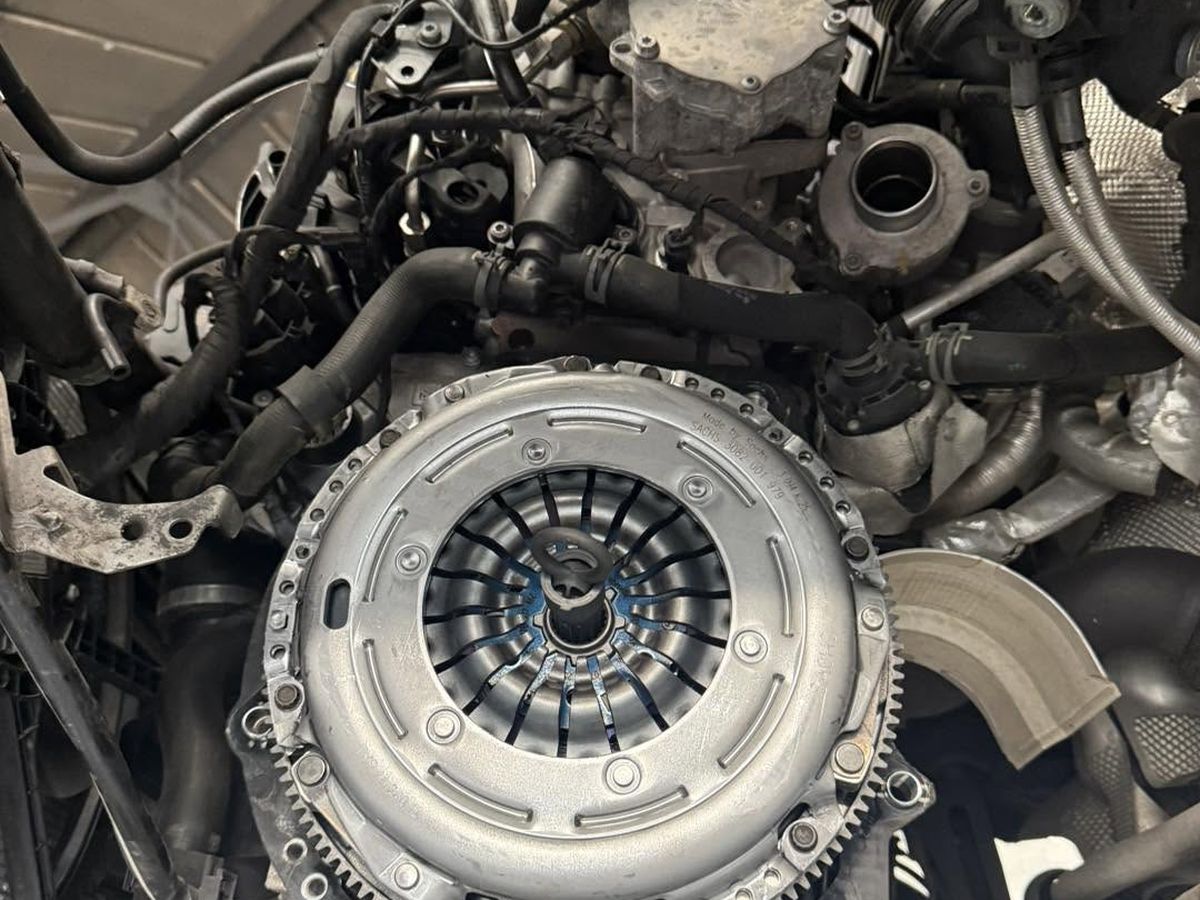
Because the engine isn't being worked as hard to do the same job, many vans see steadier fuel use too — especially on long runs. Every van is checked first: a slipping clutch, boost leak or blocked DPF will cost you more in downtime than any remap can save.
We know vans earn money, so we'll give you a clear day and time, and tell you up front if anything needs fixing before we map. If something's wrong that isn't remap-related, our diagnostics and servicing side can sort it in the same visit.
Loads, towing weights and mileage — so the map suits the job.
Clutch, boost, DPF and fault codes are checked before mapping.
Low and mid-range torque is the focus, not peak power.
Most vans are done the same day, with the original file saved.
“Excellent service, well recommended. Will definitely be using his services again for our cars and vans.”
“Many tried to find the lack of boost issue on my Ranger. No fault codes registered. Aaron had it 2 days and sorted it with no fuss. Absolutely recommended.”
Read more on Google and Facebook.
Yes — a towing map adds torque low in the rev range, where you need it with a trailer on. Stay within your van's legal towing limits.
Many vans use less fuel when driven the same way, because the engine isn't working as hard. It depends on the van and how it's driven.
Yes. Call us to plan a schedule that keeps your vans working.
Call with the reg and we'll tell you. Our specialism is VAG and BMW diesels, and we'll be straight with you if another workshop suits your van better.